What Does Hail Damage Look Like on a Roof? A Central Minnesota Homeowner's Guide
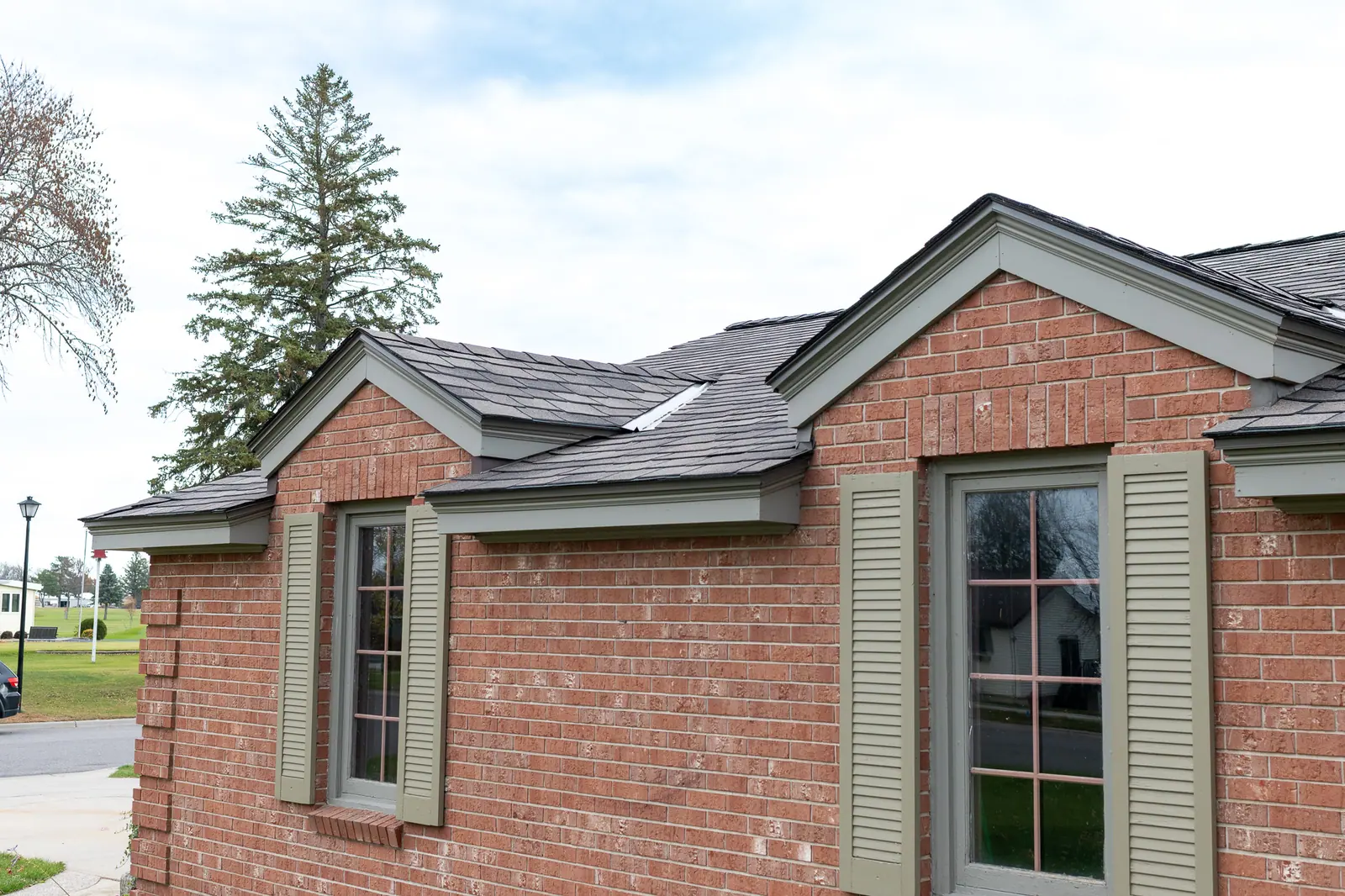
A hailstorm rolls through, the ice melts within the hour, and your roof looks fine from the driveway. So did it get hit or not? It's a question plenty of homeowners in St. Cloud and across Central Minnesota ask every spring and summer.
What does hail damage look like on a roof? From the ground, often not much. This guide shows what it really looks like up close on shingles, vents, flashing and gutters. You'll learn what size hail matters, how to tell hail hits apart from normal wear, and what 10 years of NOAA storm records say about hail in our area. We'll also cover what you can safely check without climbing a ladder.
Central Minnesota Hail by the Numbers
The National Weather Service collects hail reports and, after review, publishes them in NOAA's Storm Events Database. We pulled the hail records for Stearns, Benton and Sherburne counties from 2016 through 2025. Here's what they show:
- 149 hail reports on 44 separate days across the three counties.
- 80 of those reports came from Stearns County, on 29 different days.
- May and July are the peak months. May had 40 reports and July had 50. June had 20, August 14, April 11, September 8 and March 6.
A few storms stand out:
- July 26, 2019: 2-inch hail was reported in St. Cloud, 2.5-inch hail in Sauk Rapids and 4-inch hail near Clear Lake. That was the largest hail reported in the three counties in those 10 years.
- May 12, 2022: 1.75-inch hail hit Waite Park, St. Joseph, Sartell and St. Cloud, with 2-inch hail at Collegeville and Foley. The Foley report notes broken windows and damaged vehicles.
- July 13, 2023: a 3.25-inch hailstone was reported at Belgrade, with the size based on a picture shared on social media.
- July 18, 2025: 2-inch hail fell at St. Augusta. The report says most stones were "between quarter and half dollar with several being golf ball to lime sized."
One honest caveat: these are reports, not a count of every hailstorm. Hail that falls on open fields or in the middle of the night may never get reported, and one storm can produce several reports as it moves across a county. Still, the pattern is clear. Hail is a regular part of life in Central Minnesota, and late spring through midsummer is when most of it falls.
What Size Hail Damages a Roof?
There's no single size where roof damage starts. The National Weather Service calls a thunderstorm severe when it produces hail at least 1 inch across, about the size of a quarter. That's a useful line to watch. But whether a storm damages your roof also depends on a few other things:
- Your roof's age and condition. As shingles age, they get stiff and brittle. They break more easily than newer shingles that still flex.
- The type of shingle. Impact-resistant (Class 4) shingles are made to take harder hits than standard shingles. Our roof replacement page explains the shingle options we install.
- Wind. Wind drives hail in at an angle, so the side of the house facing the storm often takes the worst of it.
- How hard the stones are and how long it hails. Hard, solid stones hit harder than slushy ones of the same size, and a long storm means more hits.
The Storm Prediction Center compares hail sizes to everyday objects. Here's how many hail reports in our three counties were that big or bigger from 2016 through 2025, based on NOAA storm records:
| Hail size | About the size of a | Stearns, Benton and Sherburne reports this size or larger (2016-2025) |
|---|---|---|
| 1 inch | Quarter | 122 of 149 |
| 1.75 inches | Golf ball | 38 |
| 2 inches | Hen egg | 16 |
| 4 inches | Softball | 1 (near Clear Lake, July 2019) |
Our rule of thumb: if hail about the size of a quarter or bigger fell at your house, it's worth having your roof checked, especially if your shingles are getting older. Smaller hail is less likely to hurt shingles in good shape, but it can still dent soft metal and tear window screens.
What Hail Damage Looks Like on Asphalt Shingles
Asphalt shingles are the most common roof we see on homes around St. Cloud. An asphalt shingle is a thin mat (usually fiberglass) coated with asphalt, with a layer of small stone granules pressed into the top. The granules give the shingle its color and shield the asphalt from the sun. Hail damage on shingles shows up in a few ways:
- Bruises. A hard hit can crush a shingle without breaking the surface. It leaves a dark spot, often round, where granules got knocked loose. Up close, a fresh bruise can feel soft when pressed, a lot like a bruise on an apple.
- Granule loss. Hail knocks granules off and exposes the black asphalt underneath. Fresh spots look dark and clean. Without granules, the sun breaks down the asphalt faster, so that part of the shingle wears out sooner than the rest.
- Cracked mats. A hit can crack the mat inside the shingle even when the top looks mostly fine. You usually can't see it, but the crack can spread over time and let water through.
- Split or broken shingles. Big hail can split shingles, knock off corners or punch clean through, especially on older, brittle roofs.
Hail hits land in a random scatter, not in lines or tight clusters. The damage is usually heaviest on the slopes that faced the storm. Those two clues are a big part of how a trained eye tells hail apart from other problems. They're also why hail damage to shingles is so hard to judge from the yard.
Hail on Vents, Flashing and Gutters: Cosmetic vs. Functional Damage
Hail doesn't just hit shingles. It also hits the metal on and around your roof. That includes roof vents, pipe boots (the collars that seal around plumbing vent pipes), flashing (the metal that seals joints around chimneys, walls and valleys, the low lines where two roof slopes meet), drip edge (the metal strip along the roof's edges) and gutters. Soft metal dents easily, so it's often the clearest sign that hail hit your home. The dents on a vent cap can even show how big the hail was and which direction it came from.
Not every dent is a problem, though. Roofers sort hail damage into two kinds:
- Cosmetic hail damage changes how something looks but not how it works. A dimpled gutter that still drains, or a dented vent cap that still keeps water out, is cosmetic.
- Functional damage affects how well your roof keeps water out or how long it will last. Cracked vent covers, split pipe boots, punctured flashing, and shingles with cracked mats or hail spots where the granules were knocked off down to the asphalt are common examples of functional damage.
A dented vent doesn't always mean the shingles next to it are damaged, and the other way around, so the whole roof needs a look. Damaged vents, pipe boots and flashing can often be fixed on their own. Our roof repair and leak service covers that work, and our gutter installation and cleaning page covers gutters. Metal roofs are a special case, since hail can dent steel panels without making them leak, so see our metal roofing page if that's what you have.
Hail Damage vs. Normal Wear, Blisters and Old Hail Hits
Plenty of roof problems look a bit like hail damage. Here's how to tell them apart:
- Normal granule wear. As shingles age, they lose granules slowly and fairly evenly, often more along the edges and where water runs off. Hail leaves separate marks scattered across the roof, not an even, worn-out look.
- Blistering. Blisters are small bubbles that form in a shingle. They're often linked to heat, poor attic ventilation or how the shingle was made. When they pop, they leave small pits that can look like hail hits. But blisters don't follow the storm. They often show up on the sunniest slopes and on slopes the storm couldn't reach, and a popped blister usually looks like a small crater with a raised rim, not a dent pushed into the shingle.
- Cracking and curling from age. Old shingles can crack in straight lines or curl up at the edges. That's wear, not hail.
- Scuffs and scrapes. Foot traffic, tree branches and dropped tools leave marks in lines or clusters, right where people walked or branches rubbed. Hail leaves a random scatter.
- Old hail hits. A fresh hail mark shows dark, clean asphalt with sharp edges, often with loose granules nearby. Older hits look faded and weathered, and dirt or algae may have filled them in. That difference helps show which storm the damage came from.
Telling these apart takes experience and a close look at the shingles. From the ground, it's close to impossible.
How to Tell If Your Roof Has Hail Damage: Safe Checks From the Ground
Please don't climb onto your roof after a storm. Roofs are steep and can be slippery, and a fall can cause serious injuries. Walking on shingles can also scuff off granules and crack older shingles, which makes it harder to tell what the hail did. Instead, take a walk around your home and look for these clues:
- Gutters and downspouts. Look for dents and dings. Check for piles of granules where the downspouts empty out. A few granules are normal, especially on a newer roof, but a sudden pile after a storm is worth noting.
- Things around the yard. Check window screens, siding, painted trim, deck railings, your mailbox, outdoor furniture and the thin metal fins on your air conditioner. Fresh dents, holes or chipped paint mean the hail was big enough to leave a mark.
- Spatter marks. Hail can knock dirt and weathering off surfaces and leave round, clean-looking spots on wood fences, decks and metal utility boxes. These fade over time, so look soon after the storm.
- The roof, from a distance. Stand back across the street or use binoculars. Look for missing or broken pieces, shingle bits in the yard, or dark spots that weren't there before. Keep in mind that most bruises and cracked mats can't be seen this way.
- Inside the house. Look for new water stains on your ceilings. If you can reach the attic safely, check for damp spots with a flashlight. Leaks from hail damage don't always show up right away.
Clues on the ground tell you hail hit your home. They don't tell you whether your shingles were damaged. For that, someone needs to get up on the roof and look closely.
Next Steps: Get a Hail Damage Assessment
If you think hail hit your roof, the next step is a hail damage assessment. Our project specialists get up on the roof, check every slope along with the vents, flashing and gutters, and document what they find. Then they walk you through it in plain language: what's hail damage, what's normal wear, and what can wait. If there is damage, the fix might be a repair or a new roof, and our guide to deciding whether to repair or replace your roof explains how we think about that choice.
What does it cost? Our roofing FAQ page puts it this way: hail-related inspections "are typically provided at no cost." When demand gets extremely high, like right after a major storm or during the busy summer season, "we may occasionally need to charge a fee for hail inspections."
If you have questions about the insurance side, our storm damage and insurance guide explains how the process works. On jobs paid with insurance money, Minnesota law (Minn. Stat. 325E.66) bars contractors like us from interpreting your policy or advising you on your coverage, so questions about what your policy covers belong with your insurance agent. What we can tell you is what's on your roof.
One more word of caution. After big hailstorms, out-of-town crews often go door to door. Before you sign anything, read our guide to spotting storm chasers.
Frequently Asked Questions
Can a roof have hail damage without leaking?
Yes. A cracked mat or a spot of lost granules may not leak right away. Over time, sun, rain and freeze-thaw cycles can wear those spots down until a leak starts, sometimes long after the storm. A roof that isn't leaking can still be damaged.
Does a hail damage assessment cost anything?
For hail, it typically doesn't. Our FAQ says hail-related inspections "are typically provided at no cost," but when demand is extremely high, such as after a major storm or during the busy summer season, we may occasionally need to charge a fee. For roof concerns other than hail, our Quick Roof Inspection and Perfection Inspection are paid services.
Can small hail damage a roof?
It can, but it's less likely to hurt shingles that are in good shape. Small hail can still dent soft metal and tear screens, and it can do more harm to old, brittle shingles, especially when strong wind drives it in at an angle.
How soon should I have my roof checked after a hailstorm?
Sooner is better. Fresh hail marks are easier to spot and easier to tell apart from older wear. If you see a leak or a water stain, call right away so a small problem doesn't turn into water damage inside your home.
How can I find out if hail was reported near my house?
NOAA's Storm Events Database lets you search hail reports by county and date. It isn't updated right away, and it only lists hail that someone reported, so a storm that hit your street may not show up. Clues around your yard, like dented gutters or fresh spatter marks, are often the quickest answer.
Think Hail Hit Your Roof? Let's Take a Look
If a storm rolled through and you're not sure what it did to your roof, call us at (320) 203-1297 or request a hail damage assessment. For hail, these are typically provided at no cost, though when demand is extremely high, like after a major storm or during the busy summer season, a fee may apply. Our project specialists serve St. Cloud and communities across Central Minnesota, and we've been roofing here since 1999. Want to get ready before the next storm season? Read how to protect your roof from storm damage. Zablocki Roofing & Exteriors is a licensed Minnesota building contractor, BC570468.
Need Hands-On Help?
Reading about it is step one. If your roof, siding, or windows need real attention, our St. Cloud crew gives free, honest estimates across Central Minnesota.