Fall Roofing in Central Minnesota: Is It Too Late to Replace Your Roof This Year?
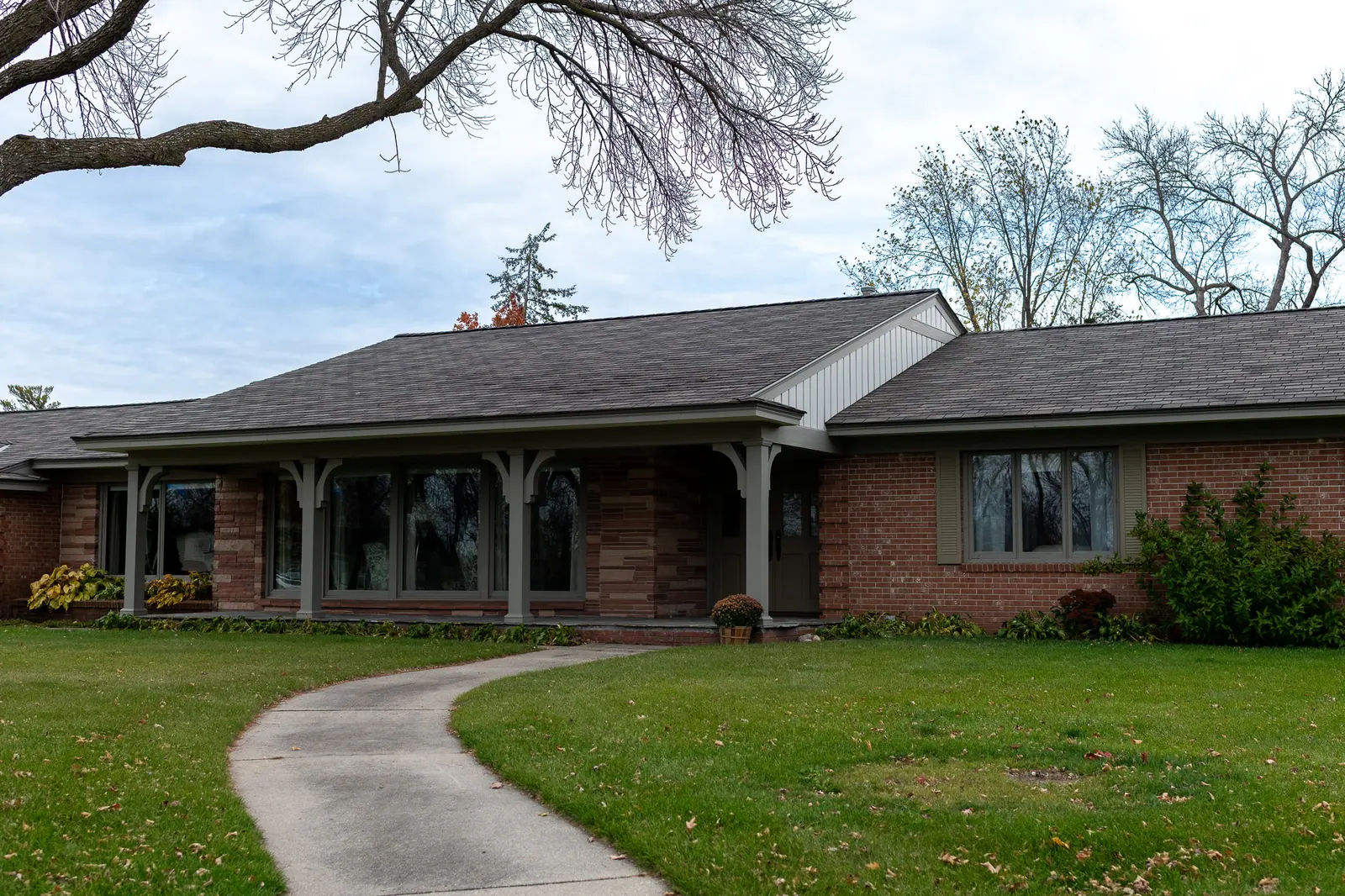
The leaves are coming down across St. Cloud and Central Minnesota, and this is the time of year we hear one question more than any other: "Is it too late to get a new roof before winter?"
Usually, no. Fall is one of the best times to replace a roof in Minnesota, and plenty of roofs go on in October and November. But the calendar does matter. As the days get shorter and colder, shingles behave differently, and the window for an easy install starts to close. This guide covers why fall works, how cold is too cold, what changes on a late-season job, and what to check on your roof before the snow flies if your replacement is going to wait until spring.
Why Fall Works for a New Roof in Minnesota
Our roof replacement page puts it simply: late spring through early fall (May through October) gives the best conditions for a new roof. Fall sits at the tail end of that stretch, and it has some real advantages:
- Your roof is ready before winter tests it. Snow load, ice dams and freeze-thaw cycles find every weak spot on a roof. A worn-out roof has a much harder winter ahead of it than a new one. (Our post on how heavy snow affects your roof explains why.)
- Summer storm damage is still easy to see. Hail and wind damage from summer storms is much easier to spot and document before it's buried under snow.
- The weather is usually workable. October in St. Cloud is cool, not cold, and that's generally fine for roofing. (More on the numbers below.)
- You're not starting the year with a problem. A roof that's leaking or missing shingles in October rarely gets better over a Minnesota winter. Fixing it now beats chasing leaks in January.
St. Cloud's Fall Weather, by the Numbers
Here's what a normal fall looks like in St. Cloud, using the 1991-2020 climate normals (monthly averages) published by the St. Cloud State University weather program:
| Month | High | Low | Snow |
|---|---|---|---|
| October | 55.9°F | 35.5°F | 1.0 in. |
| November | 39.3°F | 22.6°F | 6.9 in. |
Two more dates are worth knowing. At the St. Cloud Regional Airport, the median date of the first fall freeze (32°F) is September 30, and in about 9 years out of 10, the first freeze has already happened by October 12, according to the 1991-2020 NOAA freeze-date tables shared by the Minnesota DNR. And in St. Cloud's long-term records, the median date for the first inch of snow on the ground is November 15, according to St. Cloud State's snow records.
So most fall roofs go on after the first frost, and that's normal. Cold mornings aren't the problem. Frost has to burn off before crews can work safely, and shorter days mean less working time. By mid-November, though, daytime highs are often below 40°F, and snow on the ground becomes more and more likely. That's when a roof job takes more planning.
How Cold Is Too Cold to Install Shingles?
There's no single cutoff temperature. Shingle makers publish cold-weather instructions instead. Owens Corning's cold-weather technical bulletin applies when the air and surface temperatures are at or below 40°F. Malarkey's cold-weather installation bulletin (October 2024) covers installs below 40°F too, but it also says it's hard to name one air temperature that helps or hurts the process.
That's because what matters most is how warm the shingle itself gets, not what the thermometer on your porch says. Malarkey explains that a shingle's own temperature is what activates its seal-down strip, and that depends on the roof's slope, the shingle color, sun or clouds, shade, wind and which way the roof faces. South- and west-facing slopes typically seal faster. A sunny 38°F day can be better roofing weather than a cloudy, windy 45°F one.
The Real Cold-Weather Issue: Getting Shingles to Seal
Asphalt shingles have a strip of sealant on them. Once the sun warms the shingle, that strip softens and glues it to the shingle below. That bond is what keeps the wind from lifting the shingles.
In cold weather, that can take a while. Owens Corning says shingles installed in cold weather may not seal right away, until warmer temperatures let the sealant activate. That isn't a defect. It's how the product works. But it matters, because Malarkey says its wind warranties apply only when the shingles are sealed, whether by the sealant strip or by hand.
That's why the manufacturers describe hand-sealing for cold-weather jobs:
- Malarkey strongly recommends hand-sealing when cold weather, high winds or blowing dust can keep the sealant strip from activating. On its laminate shingles, that means four quarter-size dabs of asphalt roof cement under each shingle, pressed firmly into place.
- Owens Corning calls for hand-sealing the shingles around the entire edge of the roof in cold weather, using four 1-inch dabs of roof cement per shingle. It also warns that too much roof cement can make shingles blister, so more isn't better.
Whoever installs your roof, ask how they handle sealing on a cold-weather job. A good contractor will have a clear answer.
What Else Changes on a Late-Fall Roof Job
- Shingles get stiff. Malarkey notes that shingles get stiffer in cold weather and recommends letting them warm in the sun before they go on. Bundles shouldn't be bent, thrown or dropped, and a cracked shingle shouldn't be installed.
- Nailing takes more care. Air pressure in nail guns changes as the roof warms up during the day. Malarkey suggests watching compressor pressure, and hand-nailing when needed, so nails aren't driven too deep or left sticking up.
- Peel-and-stick membranes may need help. The sticky ice and water shield at the eaves doesn't always grip well in the cold. Our post on what goes under a new Minnesota roof explains why crews sometimes fasten it down on a cold day.
- The schedule has less slack. Most residential roof replacements take one to three days. Late in the year, rain, frost, wind and snow can push that schedule around, and shorter days leave less room to catch up. Fall is also busy reroof season, so booking early helps.
And if a job truly can't wait, roofs can go on in winter. As our roofing page says, we can install roofs year-round when necessary. Winter installs take special techniques, but they're absolutely possible. If you're considering metal, stone-coated steel can be installed year-round, including the colder, lower-snow stretches when asphalt work often pauses.
Replace This Fall or Wait Until Spring?
It depends on what your roof is doing right now.
Replacing this fall makes sense when:
- The roof is already leaking, or you've found water stains on ceilings or in the attic.
- Shingles are missing, cracked or curling, or a summer storm did real damage.
- The roof is at the end of its life and you'd rather not ask it to carry another winter of snow and ice.
Waiting until spring can make sense when:
- The roof is aging but still sound, with no leaks.
- Damage is limited to one spot that a repair can handle for now. (See our guide to repairing vs. replacing a roof.)
Even if the work waits, fall is a good time to get an estimate. You'll know what you're dealing with, you'll have time to compare options and plan your budget, and you won't be scrambling if something fails mid-winter. Financing available for projects over $1,000.00. See our financing options for details.
Fall Roof Checklist: Getting Your Roof Ready for Winter
Whether you're replacing your roof this fall or not, these steps help it get through a Minnesota winter:
- Look at the roof from the ground. Walk around the house, with binoculars if you have them. Look for missing, cracked, curled or lifted shingles, and for loose or bent metal flashing around the chimney and vents. Please don't climb up. A roof is no place for a ladder in fall weather.
- Clean the gutters after the leaves drop. The University of Minnesota Extension lists cleaning the leaves out of gutters among the fall chores that get urgent once temperatures fall fast. Gutters packed with leaves can't drain fall rain or winter melt water. While you're up there, look for shingle granules collecting in the gutters, a sign of a wearing roof. (Our post on common gutter problems covers more.)
- Point downspouts away from the house. UMN Extension recommends downspout extensions that discharge water at least 4 feet beyond the wall. It also notes that a 1-inch rain puts about 1,250 gallons of water on the roof of a 2,000-square-foot house. All of that has to go somewhere.
- Trim back overhanging branches. Limbs that rub on shingles wear them down, and heavy, snow-loaded branches can come down on the roof.
- Check the attic. On a sunny day, look for daylight coming through the roof boards, water stains, or damp or packed-down insulation. Frost on the underside of the roof deck in winter is a sign that warm, moist air is getting into the attic. Our post on leaking bathroom vents explains one common cause.
- Get ahead of ice dams. Ice dams start when heat leaking into the attic melts the snow on the roof. UMN Extension says to start by making the ceiling airtight, so warm, moist air can't flow up into the attic, and then to consider adding insulation. Fall is a good time to get that work done. Our ice dam prevention guide walks through the steps.
- Have summer hail damage checked before the snow. If a hailstorm passed over this summer, it's much easier to assess the roof before it's covered in snow. Our guide to what hail damage looks like on a roof shows what to look for from the ground. For hail, our assessments are typically free, though during peak storm periods a fee may apply. Our storm damage guide covers what happens next.
Frequently Asked Questions
Is it too late to replace my roof in October or November in Minnesota?
Usually not. October is generally good roofing weather in Central Minnesota, and many roofs go on in November too. As it gets colder, shingle makers call for extra steps, like hand-sealing, and weather can shift the schedule. The sooner you get on a contractor's calendar, the more options you have.
What temperature is too cold to install asphalt shingles?
There's no single cutoff. Shingle makers' cold-weather instructions start around 40°F. Owens Corning's bulletin applies at or below 40°F, for example. Below that, shingles can still be installed with extra care: warming the shingles in the sun, handling them gently, watching how the nails are set and hand-sealing where needed.
Will shingles installed in the fall seal properly?
Yes, but it may take time. Shingles seal when the sun warms their sealant strips. In cold weather, Owens Corning says they may not seal right away, until warmer temperatures arrive. That's why manufacturers describe hand-sealing with asphalt roof cement for cold-weather installs.
Can you replace a roof in the winter?
Yes, when it can't wait. We can install roofs year-round when necessary. Winter installs take special techniques and more attention to the weather, so May through October is still the best time when you have a choice. Emergency leaks and storm damage can be handled any time of year. See our roof repair and leak service.
Should I get an estimate now if I'm planning to replace my roof in the spring?
It's a good idea. A fall estimate tells you how urgent the work really is and gives you the winter to plan. Learn how our free estimate process works.
Thinking About a Fall Roof? Let's Talk
If your roof needs to be replaced, fall is a smart time to do it, and it isn't too late to get started. Our project specialists can look at your roof, tell you honestly whether it should be replaced now or can wait until spring, and give you a free estimate. Call us at (320) 203-1297 or request your free estimate. As a Malarkey Premium Certified Contractor, we know what each season asks of a roof. Zablocki Roofing & Exteriors has served Central Minnesota since 1999 (MN license BC570468).
Need Hands-On Help?
Reading about it is step one. If your roof, siding, or windows need real attention, our St. Cloud crew gives free, honest estimates across Central Minnesota.